

A “global rape academy” online: an investigation reveals the scale of a chilling phenomenon
A recent investigation by the American network CNN, relayed in particular by 20 Minutes, has highlighted a deeply worrying reality: the existence of genuine online communities organised around drink spiking and the drug-facilitated rape of women.
For several months, journalists infiltrated platforms and chat channels where thousands of men freely exchange advice, videos and techniques for drugging their partners in order to sexually assault them.
An organised, global system
At the heart of this investigation, a pornographic website and Telegram groups appear as the pillars of a structured network. These online spaces bring together users from around the world and massively distribute content known as “sleep porn”, that is, videos showing women being raped while unconscious or asleep.
The figures are staggering:
- tens of thousands of videos listed
- millions of monthly views
- and a massive international audience
Beyond watching, these communities function as genuine learning spaces. Members share precise methods, going as far as recommending substances and doses to incapacitate their victims.
A group dynamic that normalises violence
The investigation also highlights a particularly worrying phenomenon: the group effect.
In these spaces, perpetrators reinforce one another, creating a form of “normalisation” of violence. This collective dynamic helps reduce feelings of guilt and encourages them to act.
Some analyses even refer to a “community” or “brotherhood” logic, in which individuals share, glorify and monetise criminal acts.
Growing awareness and reactions in France
Following these revelations, several French organisations have decided to take legal action. They denounce not isolated cases, but organised crimes on a large scale, made easier by digital technology.
They are calling in particular for:
-the opening of judicial investigations
-the blocking of the platforms concerned
-stronger regulation of online content
According to these organisations, it is highly likely that French users take part in these networks, and that victims are also to be found in France.
A phenomenon that reveals a major societal issue
This case recalls other widely publicised cases and highlights a broader reality: drink spiking and drug-facilitated assault remain largely underestimated and inadequately addressed.
It also raises a fundamental question: the responsibility of digital platforms, which have become vehicles for spreading and organising sexual violence.
Faced with this, many experts are calling for a coordinated response between the justice system, healthcare and digital regulation.
Taking action against drink spiking
This phenomenon is not inevitable.
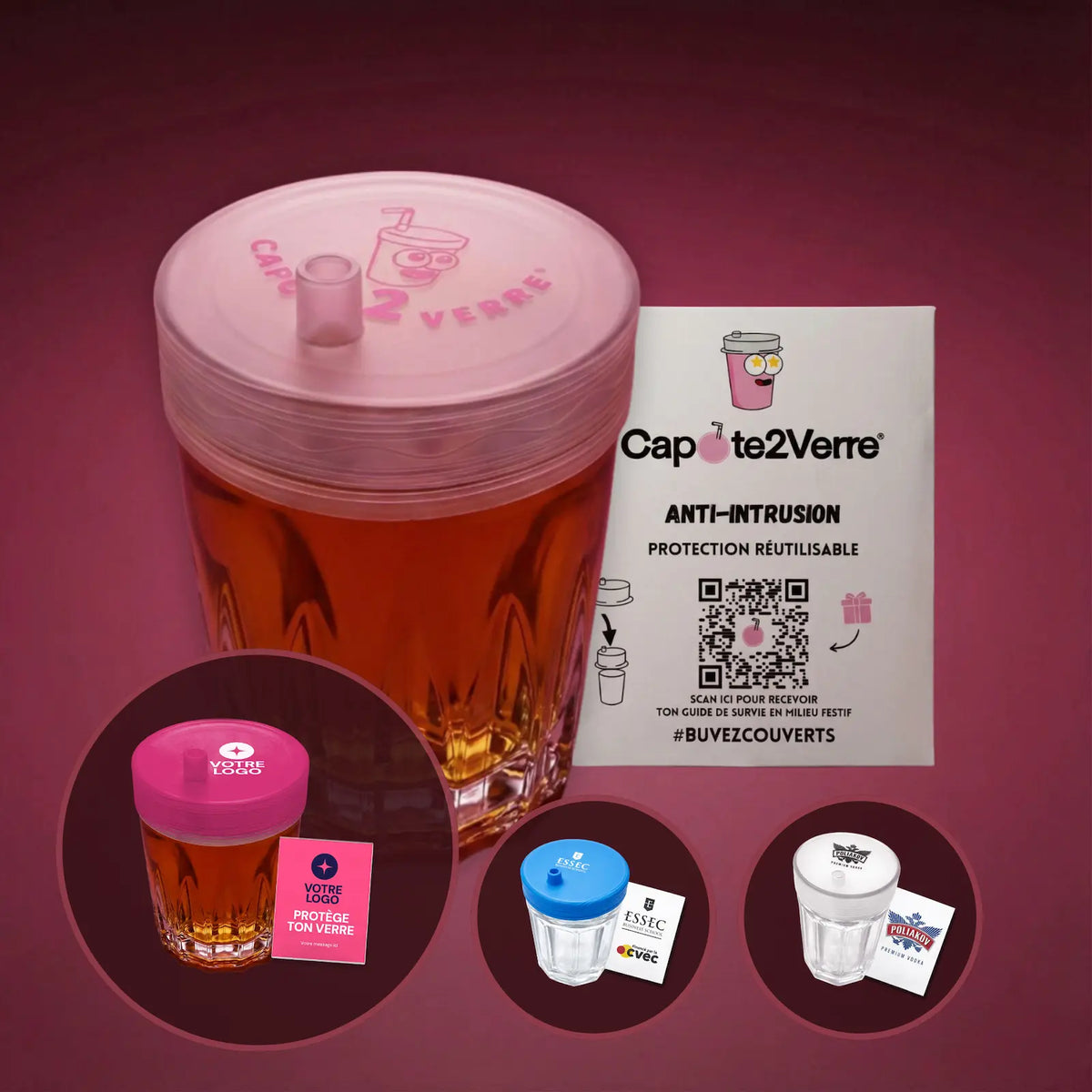
We have already started to act against drink spiking, by developing prevention and protection solutions accessible to as many people as possible.
If you would like to read the article behind these revelations:
https://www.20minutes.fr/societe/4219895-20260423-enquete-cnn-devoile-academie-mondiale-viol-femmes-soumises-chimiquement
https://www.20minutes.fr/societe/4220809-20260428-academie-mondiale-viol-deux-associations-saisissent-justice-francaise