

Needle spiking: key actions and effective protection
For several years, a new form of assault has been worrying nightlife venues: anonymous needle attacks. Although this phenomenon had remained discreet and under-reported in the media, the 2025 Fête de la Musique acted as a wake-up call, with a wave of reports in many cities.
What is the reality behind these acts? How should you react and, above all, how can you protect yourself? Capote2Verre sets out the facts.
To better understand the issues around spiking (and to tell it apart from chemical vulnerability), you can consult these official resources:
- Spiking and chemical vulnerability: what are we talking about?
- Official report to the French Government on spiking (May 2025)
1. A worrying phenomenon on the rise
The first alerts about needle attacks on nights out date back to 2022. But it was above all during 2025, at large gatherings such as the Fête de la Musique, that the phenomenon exploded into public view: more than 145 reports were recorded in a single night, across about ten French cities.
The accounts are similar: a sudden prickling sensation, feeling unwell, disorientation, sometimes accompanied by more severe symptoms. Most victims are young women, often alone or separated from their group at the time.
2. Needle attack or mass panic? What we really know
Many investigations opened following these reports have not found any chemical substances in the blood or tissue of the victims. This has reignited the debate: are these confirmed assaults, or a case of mass hysteria fuelled by social media?
The answer is nuanced: while some alerts may indeed stem from fear or imagination, this does not in any way invalidate the reality of confirmed assaults. Most often, the needle attacks are very real, but the substances used do not always leave traces, or are injected in quantities too small to be detected.
In any case, the sense of danger is real, and that is precisely what creates an atmosphere of chemical vulnerability in nightlife venues.
3. These acts are indeed a form of spiking
A needle attack without consent, in a nightlife setting, is an assault in itself. Sometimes it aims to inject psychotropic substances with a view to spiking. But that is not the only danger.
Some victims also worry about serious health risks: HIV infection, hepatitis or other infectious diseases. And sometimes there is neither a substance nor a virus injected: the aim is to sow fear, to disorient, even to harass.
What do all these situations have in common? The absence of consent and the intent to make someone vulnerable.
4. Good habits to protect yourself
- Stay in a group as much as possible when you go out
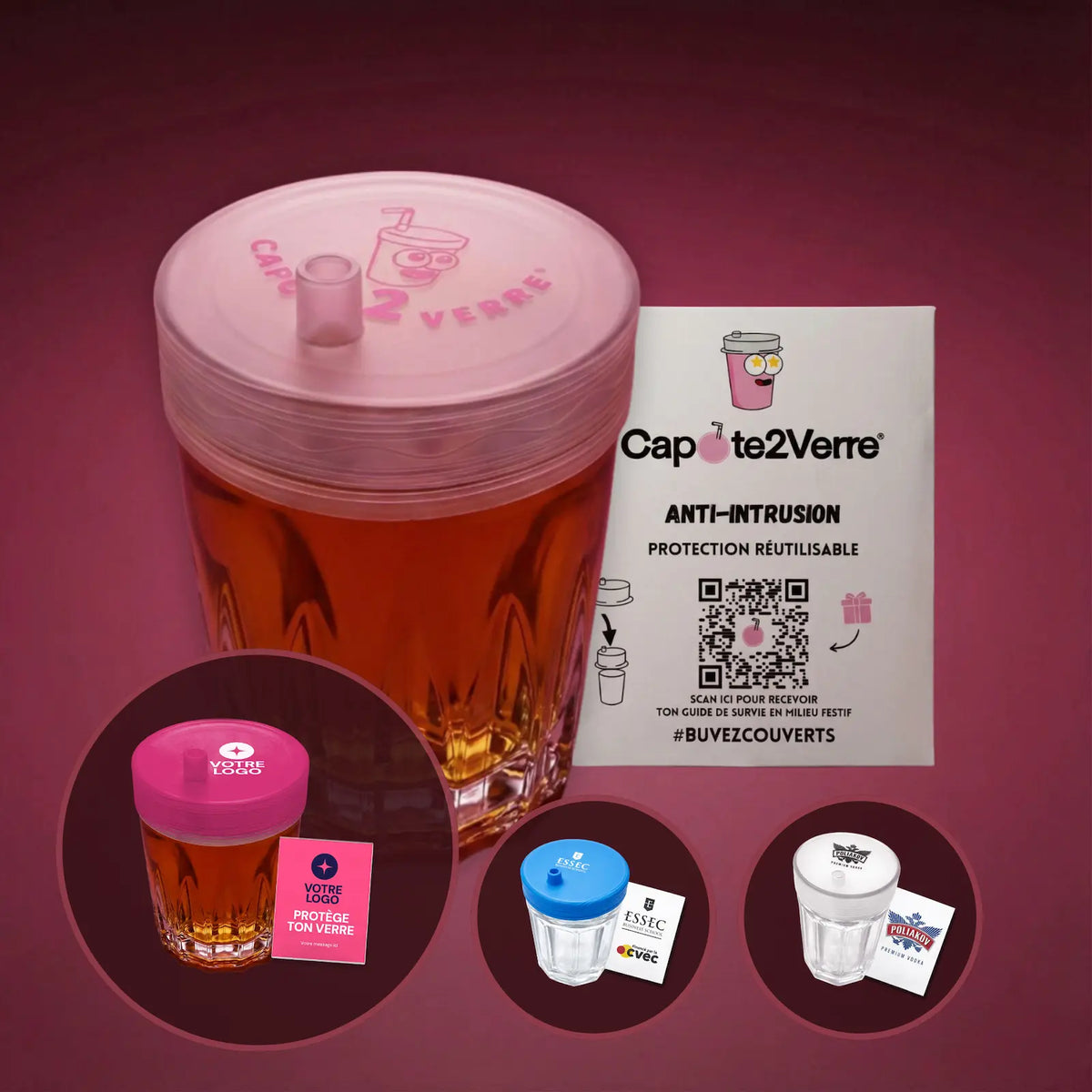
- Always keep an eye on your drink, or use a drink cover
- Wear clothing that covers you if you are comfortable with that
- If you suspect something has happened: go straight to A&E for samples and blood tests
5. Practical tools to prevent these risks
At Capote2Verre, we believe in combining awareness of the danger with practical solutions:
- Anti-spiking drink cover: reusable physical protection against anything being slipped in
- CYD drink spiking test kits: instant detection of drugs in drinks
These products are used by many local authorities, associations, bars and event organisers and help build a culture of shared vigilance.
Conclusion & call to action
There is no miracle solution against needle attacks. But by handing out drink covers or CYD drink spiking test kits, you send a strong signal: "We look out for you here."
A well-equipped, vigilant environment is an event where safety is taken seriously, and where everyone can relax and enjoy themselves.
Are you an organiser, bar, local authority or association? Discover our business offers